
If your website isn’t ranking well on Google or is not showing on the first page, it usually has a few common problems that can be fixed. Usually, it’s not a single thing but a mix of technical gaps, including missing authority signals and intent targeting, and quality issues. The Good news is that you can easily fix your website’s ranking by focusing on a few straightforward improvements.
Below you will find high-impact search visibility tips to boost visibility and generate long-term growth.
6 Tips to Rank on Google Without Expensive Setups or Technical Expertise
Here are the top 6 ways you can rank on Google without spending too much on marketing:
1. Make Sure Google can see your Website
The first, most important thing in search visibility is indexing. If your website cannot be indexed, it cannot be crawled and therefore cannot be ranked. To fix indexing:
- Set up Google Search Console properly
- Check if important pages are indexed
- Verify that Robots.txt is not blocking indexing
- Make sure there are no “noindex” tags in URLs
After fixing the above, submit your sitemap to Google Search Console and ensure indexing for high-priority pages.

2. Focus on High-Search Intent Than Keywords
Instead of chasing keywords, focus on the search-intent of your users. Understand what exactly your users are looking for.
For example:
- Instead of using the keyword “ERP Software”, use “best ERP software for small manufacturing businesses”
- Make it local: “best ERP software for small manufacturing businesses in Michigan”
- Focus on deeper intents like ERP System comparison or ERP cost breakdown for startups.
- Make sure that each web page has a single intent; for example, ERP software comparison for startups
Google’s algorithms reward pages that match a user’s intent, not just a single keyword.

3. Check Page Loading Speed
Your website’s page loading speed directly impacts the ranking. If users can access the content, it increases bounce rate and signals poor quality.
To fix it:
- Make sure the load time is under 2.5 seconds
- Compress big images to reduce size
- Remove super-heavy plugins
- Make sure the website code is clean and simple
- Use caching and reduce unused scripts
Remember that if load time goes up to 3 seconds, the bounce rate increases. Most mobile users abandon sites that take more than 2 seconds to load.
4. Write Content Based on Search Intent
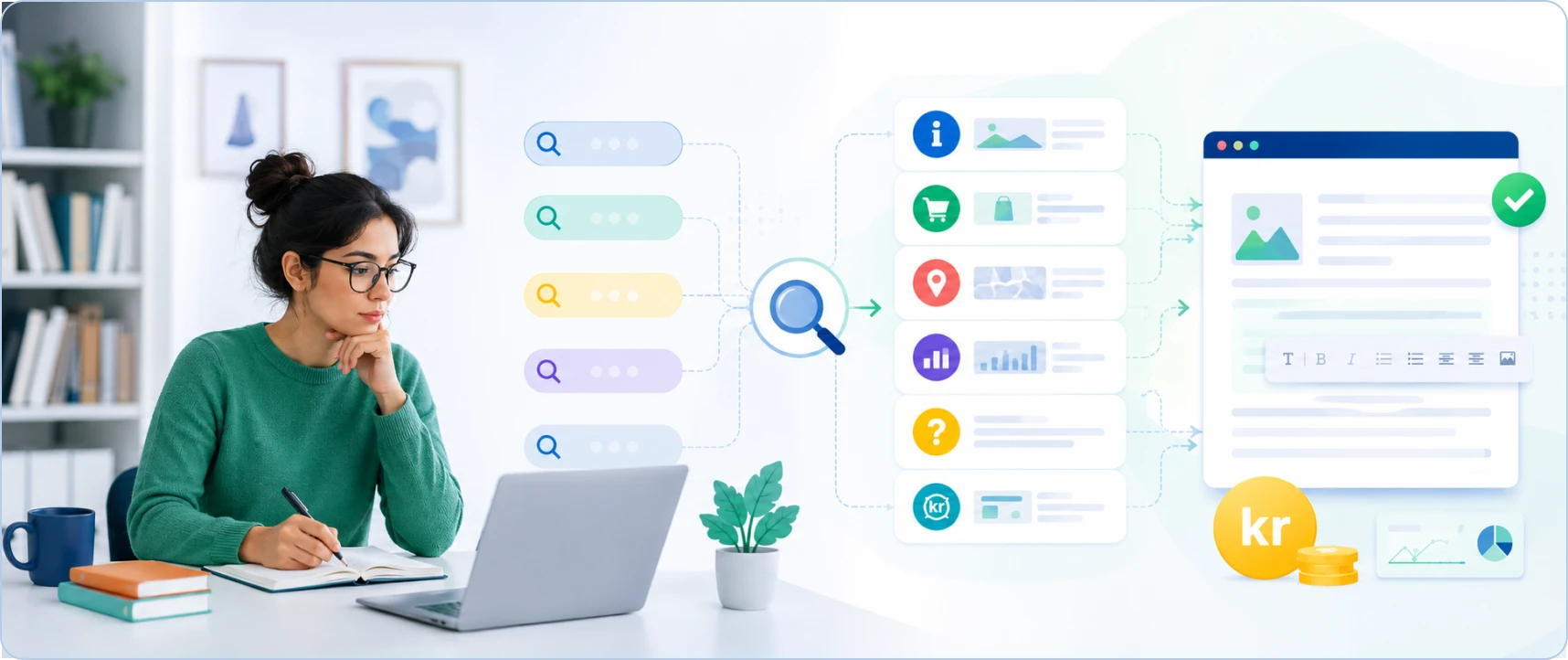
This is related to what we discussed in #2. Google prefers web pages that directly answer the users’ queries.
To fix this:
- Make sure that you answer the user’s query in the first 2-3 lines
- Follow the answer with an in-depth explanation
- Then offer real-world examples that the users can easily understand
- Internal link to related sources that can help understand the query further
For example, if a user’s query is “what is ERP software?” Start with the direct answer and then go into explanations and details rather than starting with a long intro.
5. Optimise Titles, Descriptions, and Use Structured Data
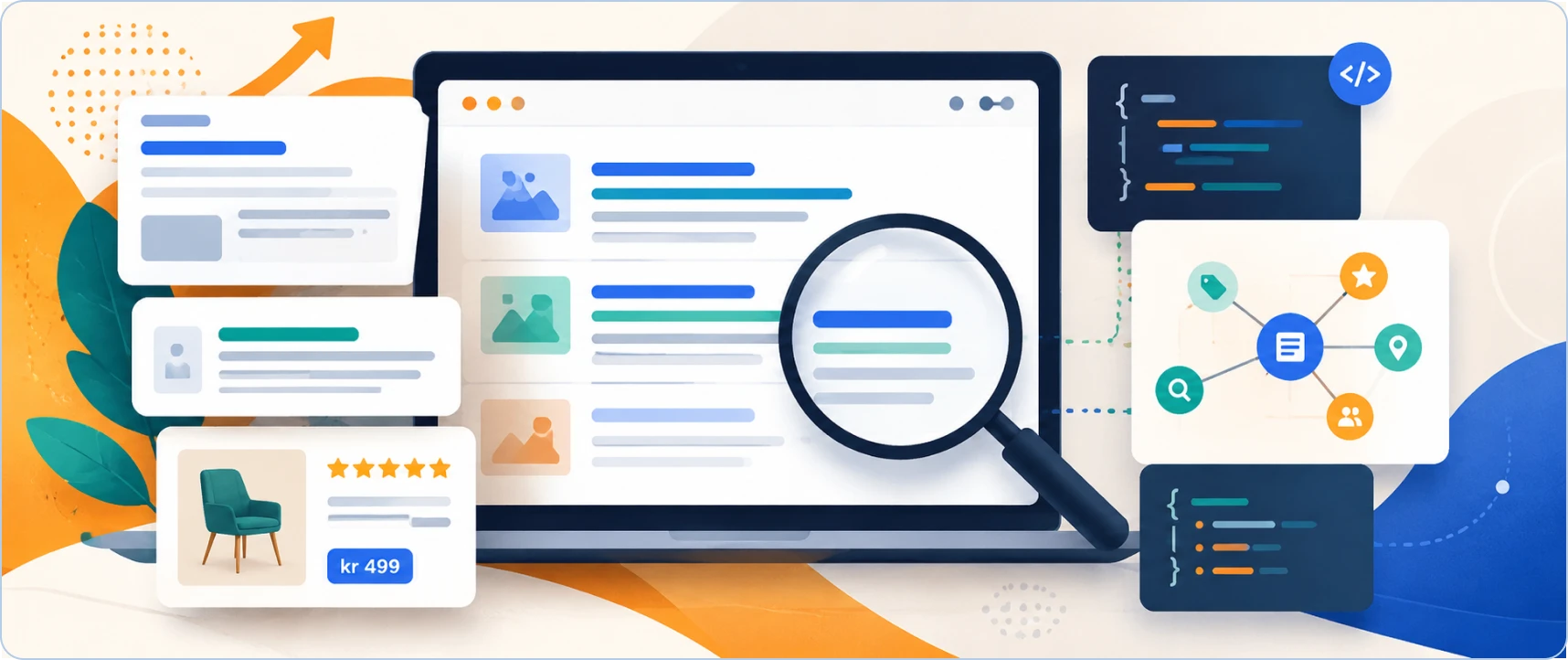
Titles, tags, descriptions, and structured data tell Google the intent of your site and how closely it matches the intent of the user.
How to ensure:
- Use a high-performing format, such as primary keyword + key benefits + explanation for title tags.
- Explain the topic in detail to clarify intent. This impacts click-through rate.
- Add structured data for articles, products, and FAQs to help Google interpret content.
When all three factors align, they give Google a clear content identity signal. Pages with all three factors often perform better in both traditional and AI search.
6. Build Website Authority Through Backlinks
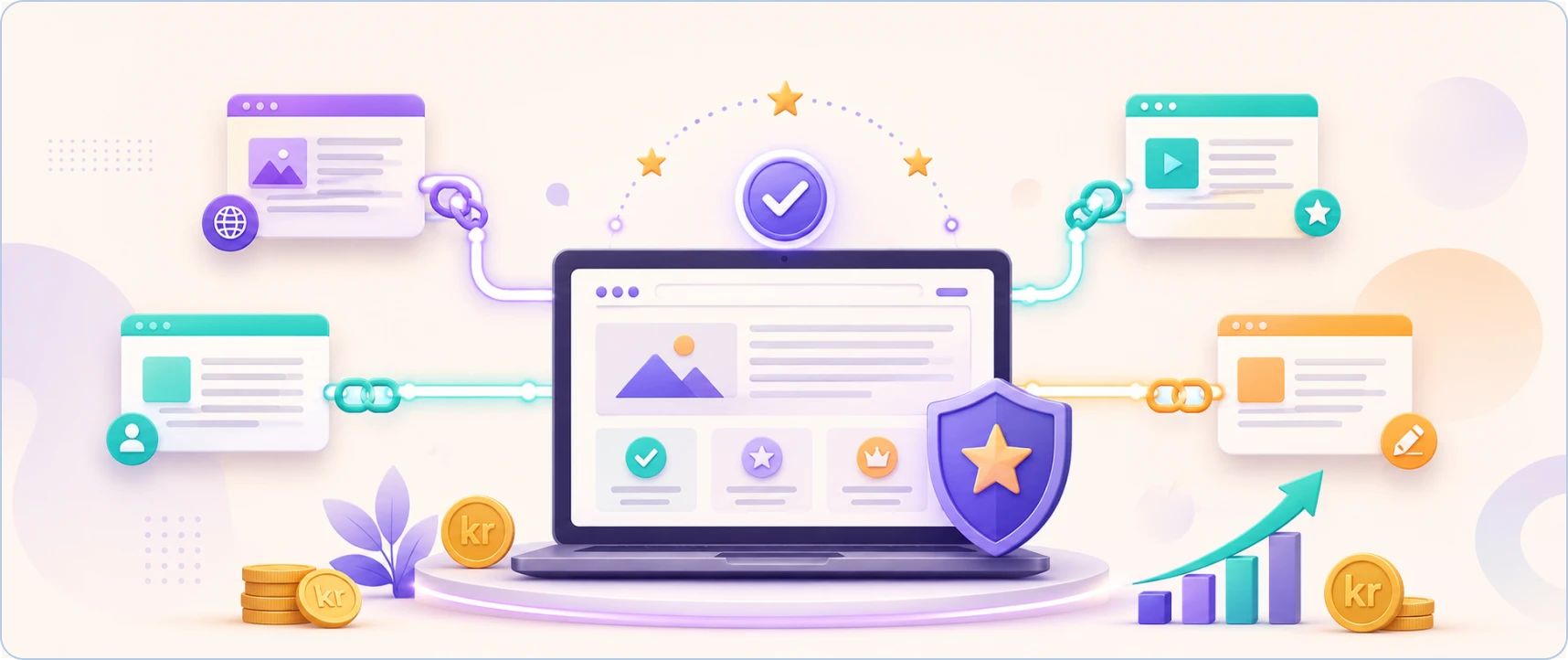
Backlinks are (and will remain) the strongest credibility signals to Google, which directly impacts search engine visibility.
Gain quality backlinks via:
- Industry blogs or authoritative industry sites that are relevant to your brand.
- Enlist your site on relevant business directories and add a business profile.
- Get quality backlinks from partner websites on a consistent basis
- Write high-quality guest articles to build authority through guest blogging.
Avoid spam link farms and irrelevant backlinks. Opt for quality backlinks as they can outperform hundreds of weak links