Getting traffic to your website feels harder than ever, right? You publish content, update pages, and even spend money on marketing, but your website still struggles to rank on Google. Many businesses face the same problem. Without the right SEO strategy, even a great website can stay hidden while competitors take the top spots and win more customers.
Search engine optimization does not have to feel confusing. Small but smart SEO changes can improve rankings, bring more visitors, and help your business grow over time.
In fact, research shows that the first result on Google gets much more traffic than lower-ranking pages. That means better visibility can lead to more clicks, leads, and sales.
Key Highlights:
- Focus on content that helps real people, not just search engines
- Improve page speed and mobile experience
- Use keywords naturally without stuffing
- Build trust with quality backlinks and strong content
SEO is not about shortcuts anymore. It is about building a website people trust and search engines understand. SysInn believes the right SEO strategy should bring steady growth, better visibility, and real business results.
What is Search Engine Optimization?
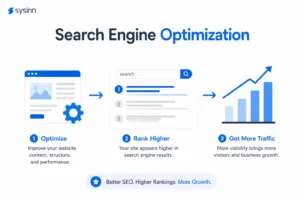
Search engine optimization (SEO) is the process of improving your website so that it appears higher in search engine results. It helps people find your website when they search for products, services, or answers online.
For example, if someone searches for “best digital marketing company”, Google looks for websites that match the search intent and offer useful information. Good SEO helps your website stand out.
10 Best Search Engine Optimization Tips for Beginners
If you want to improve your website’s visibility, SEO isn’t about one big change. It works through small, smart improvements done consistently over time.
Here are the 10 best SEO tips and tricks you can apply to boost rankings and organic traffic.
- Focus on Search Intent First
- Use Keywords Naturally
- Create Helpful Content
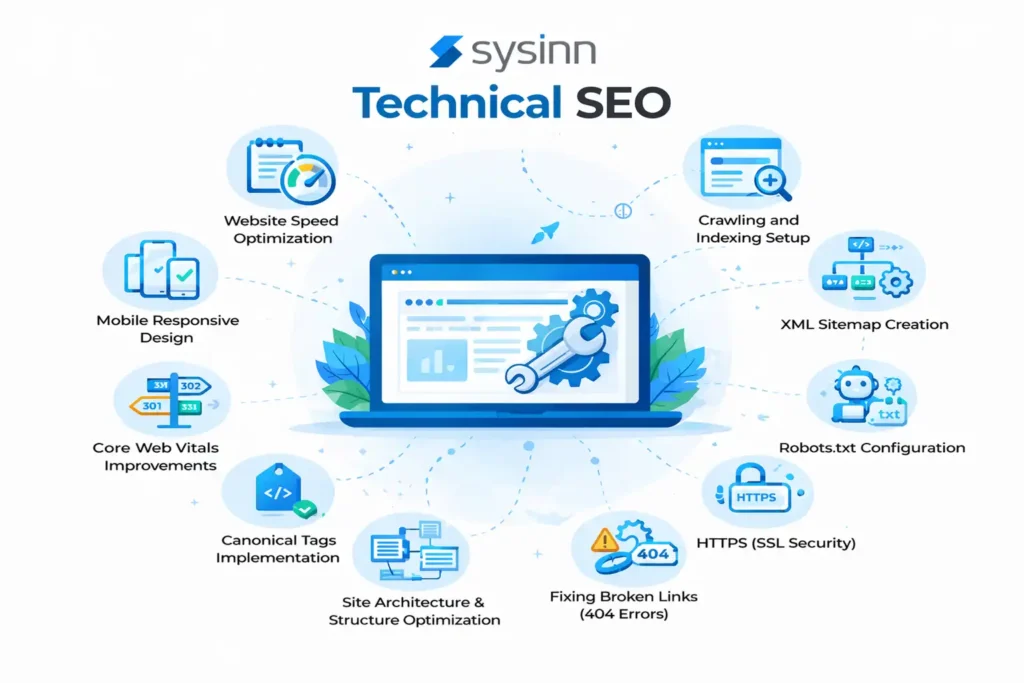
- Improve Website Speed
- Make Your Website Mobile Responsive
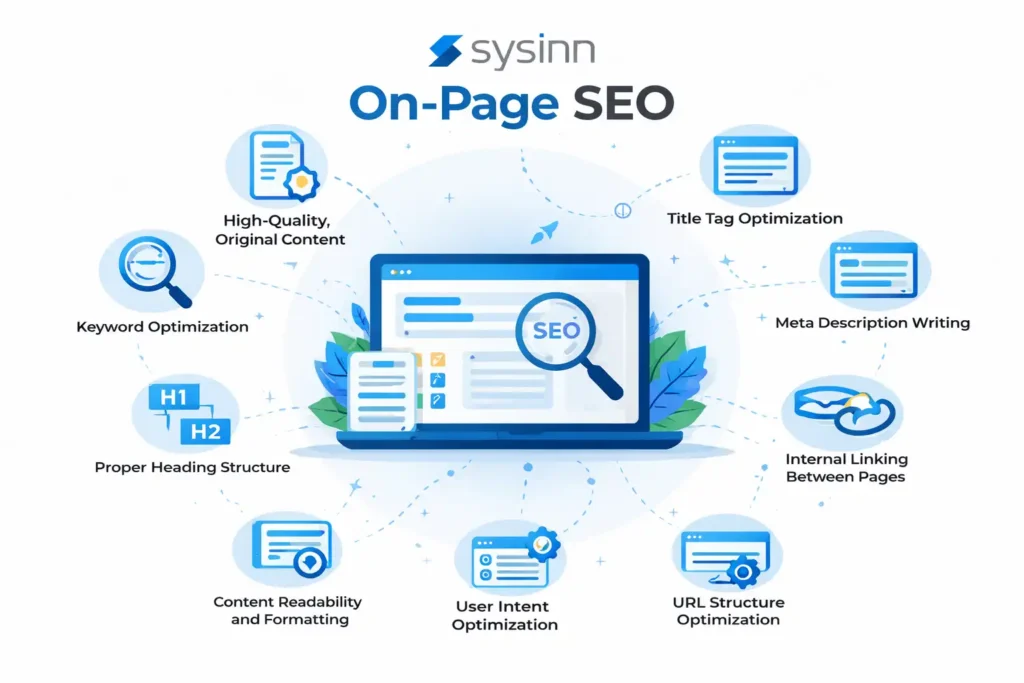
- Write Better Title Tags and Meta Descriptions
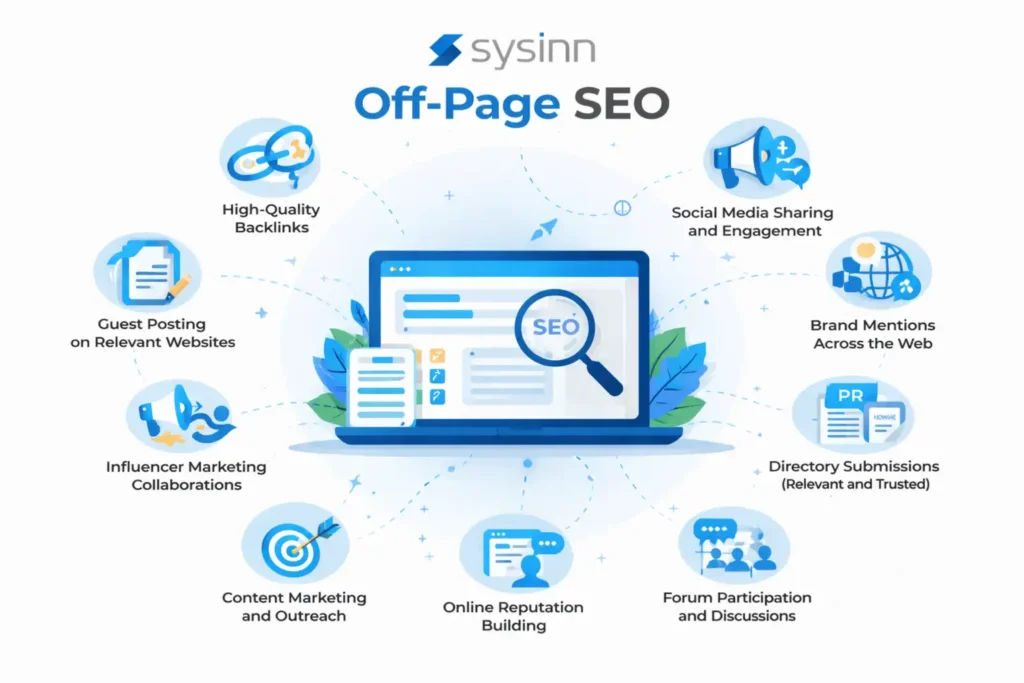
- Build High-Quality Backlinks
- Optimize Images for SEO
- Update Content
- Track Results and Improve
1. Focus on Search Intent First
One of the biggest SEO mistakes businesses make is writing content without understanding what users want.
Ask yourself:
Why is someone searching this keyword?
Are they:
- Looking for information?
- Comparing services?
- Ready to buy?
For example, someone searching “search engine optimization tips for website” likely wants practical advice. If your page only talks about company services, visitors may leave. Google wants to show results that solve problems. That means your content should match user intent.
Before creating content, search for your keyword on Google and study the top-ranking pages. Look at headings, style, and the type of information users expect.
2. Use Keywords Naturally
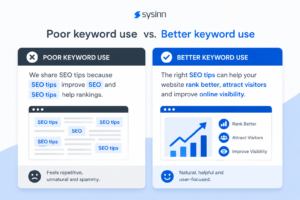
Keywords still matter in SEO, but the way you use them matters even more. Many websites try to rank by repeating the same keyword too many times. This practice, known as keyword stuffing, makes content hard to read and can hurt rankings.
Instead of forcing keywords into every sentence, place them where they make sense. Your goal should be to help search engines understand your page while keeping the content easy for people to read.
Add keywords naturally in:
- Page title
- Main headings
- First paragraph
- Meta description
- URL
- Image alt text
For example, if your target keyword is search engine optimization tips, use related phrases like best SEO tips, search engine optimization tips for website, or Google SEO tips where they fit naturally.
Write for people first and optimize for search engines second. When content feels natural, users stay longer, which can support better rankings over time.
3. Create Helpful Content
Good content that helps people. Google’s Search Central guidelines state that content should be created for people first and be helpful, clear, and easy to read. Useful and detailed content often performs better than thin pages with little value. This is because people stay longer, engage more, and trust the website.
When writing content:
- Answer real user questions
- Stay simple and easy to follow
- Use short sentences and clear headings
- Include examples that make ideas easier to understand
- Avoid unnecessary filler or complex wording
For example, instead of just explaining SEO in theory, show how search engine optimization tips improve traffic, rankings, or leads in real situations. If a reader can quickly understand your point and act on it, your content is doing its job.
When content is helpful and easy to read, people stay longer on your page. That engagement sends a strong signal to search engines that your page is worth ranking.
4. Improve Website Speed
Website speed is no longer just a technical issue. It directly affects SEO performance, user behavior, and conversions. If your page takes too long to load, visitors leave before they even see your content. Google data shows that 53% of mobile users leave a website if it takes more than 3 seconds to load. That means more than half of your potential traffic can disappear in just a few seconds. Speed also impacts rankings. Top-ranking Google pages usually load in about 1.6 seconds, making speed a competitive advantage in search results.
Slow websites create three major problems:
- Higher bounce rates (Users leave fast)
- Lower engagement (Less time on site)
- Reduced conversions (fewer leads or sales)
Every extra second of load time can reduce conversions by up to 7%. This is why Google includes page experience signals like Core Web Vitals in its ranking system. A slow site loses both users and rankings at the same time.
You do not always need complex fixes. Small improvements can make a big difference:
- Compress images before uploading
- Use modern formats like WebP
- Reduce heavy scripts and plugins
- Enable browser caching
- Use a reliable hosting service
- Apply lazy loading for images
Even small changes can improve loading time and reduce user drop-off. A fast website builds trust. A slow website pushes users away before they interact with your content. That is why speed is now a core part of SEO, not an optional upgrade.
5. Make Your Website Mobile Responsive
Most people now search on Google using their mobile phones. That is why mobile optimization is no longer optional; it is a core part of SEO. Google also uses mobile-first indexing, which means it looks at the mobile version of your website for ranking and indexing. If your mobile experience is weak, your rankings can drop even if your desktop site looks perfect.
A poor mobile experience creates real problems:
- Users leave quickly if pages are hard to use
- Buttons become difficult to click
- Text becomes unreadable without zooming
- Navigation feels confusing
- Loading speed often gets worse
All this leads to higher bounce rates and lower engagement, which directly affect rankings.
A strong mobile SEO setup includes:
- Responsive design that fits all screen sizes
- Fast-loading pages on mobile networks
- Clear and readable fonts
- Easy navigation menus
- Buttons that are simple to tap
- Content that adjusts without breaking layout
Research shows that more than 60% of Google searches come from mobile devices, which shows where your audience is coming from. If your website is not built for many users, you are already losing a big portion of traffic. If a user has to zoom in, scroll sideways, or wait too long just to read your content, they will leave and choose another site.
Mobile SEO is about user comfort. When your website works well on mobile, users stay longer, engage more, and trust your brand. That behavior sends a strong signal to Google, which helps improve your rankings over time.
6. Write Better Title Tags and Meta Descriptions
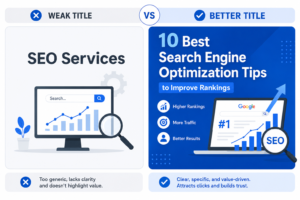
Your title tag is one of the first things people notice when your page appears on Google. In many cases, it decides whether someone clicks your website or scrolls past it. Think of it as your first chance to grab attention. A generic title often gets ignored because it gives no clear reason to click. A strong title explains value and tells users what they will gain. The second title works better because it feels more specific, useful, and relevant to what users are searching for. The same goes for your meta description. While it may not directly improve rankings, it can increase clicks by giving users a quick reason to visit your page.
A good meta description should:
- Explain what the page is about
- Match the search intent
- Use simple wording
- Include important keywords naturally
- Encourage users to click
For example,
Learn 10 proven search engine optimization tips to improve rankings, increase traffic, and grow your website with smart SEO strategies.
Even if your website ranks on Google, poor titles and descriptions can stop people from clicking. Better click-through rates mean more traffic, stronger engagement, and improved search performance over time.
7. Build High-Quality Backlinks
Backlinks still play an important role in SEO. A backlink is simply a link from another website to your content. Think of it as a true signal.
When trusted websites mention or link to your page, search engines see your content as more valuable and reliable. More backlinks do not always mean better rankings.
Google explained that the total number of backlinks is not the main focus because search systems evaluate links in different ways. It has made it clear that quality matters more than quantity. Low-quality or irrelevant links may even get ignored.
Strong backlinks usually come from:
- Relevant websites in your industry
- Trusted and authoritative sources
- Pages with useful and original content
- Natural mentions instead of paid spam links
Focus on strategies like:
- Guest posting on trusted websites
- Creating original research or useful guides
- Building partnerships in your industry
- Publishing shareable blog content
- Earning mentions through valuable resources.
Pages ranking in the top position on Google often have significantly more quality backlinks from trusted websites, which can bring more value than many low-quality ones. Do not chase hundreds of random links. A few strong backlinks from trusted websites can bring more value than many low-quality ones. SEO takes time, but trust grows through quality, and backlinks are part of that process.
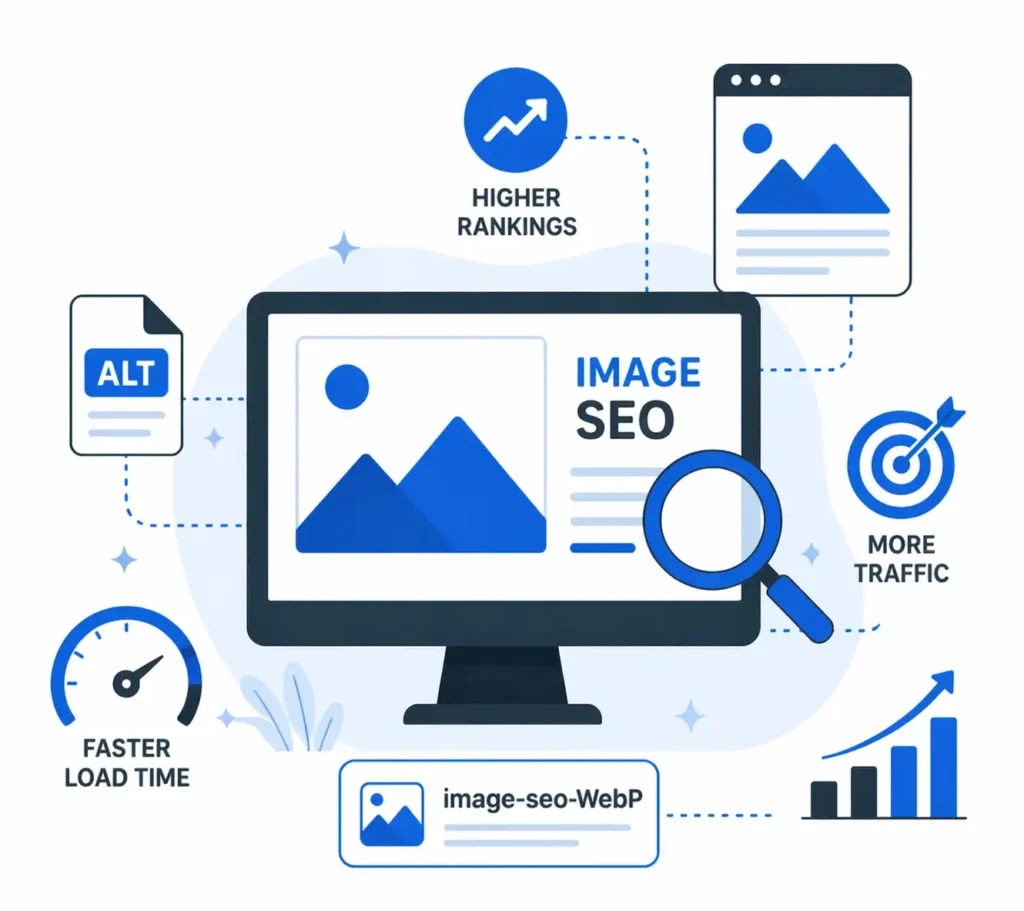
8. Optimize Images for SEO
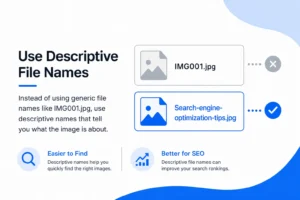
Image optimization may seem like a small SEO task, but it can make a real difference in website performance and rankings. Many businesses upload large, unoptimized images without realizing that they slow down the website. Slow-loading pages frustrate visitors and can hurt both users’ experience and SEO.
Google also recommends optimizing images because they help search engines better understand your content and improve page performance.
Poor image optimization can lead to:
- Slower website speed
- Higher bounce rates
- Poor mobile experience
- Missed opportunities in image search results
On the other hand, optimized images help pages load faster and create a smoother experience for users.
Here are a few ways to improve image optimization:
- Compress images before uploading to reduce file size
- Use clear and descriptive file names
- Add alt text to explain what the image shows
- Choose the correct image dimensions
- Use modern formats like WebP when possible
Image SEO may not look like a major ranking factor on its own, but small improvements across your website often create stronger results over time. Faster pages, better accessibility, and improved user experience all support better SEO performance.
9. Update Content
Publishing new content is important, but updating old content matters just as much. Search trends change, competitors improve, and information becomes outdated over time. If your content stays the same for years, rankings can slowly drop. Google prefers content that stays useful and relevant. A small update to an older page can sometimes improve rankings faster than publishing a new article.
You do not always need major changes. Here are simple ways to refresh content:
- Updating outdated information or statistics
- Adding new keywords naturally
- Improving headings and readability
- Answering new user questions
- Fixing broken links or outdated examples
For example, a blog written in 2023 may need fresh statistics, updated SEO trends, or better examples to stay competitive in search results.
If content still brings traffic, do not ignore it. Improve it before the ranking starts to drop.
10. Track Results and Improve
SEO is not something you do once and forget. The best-performing websites keep checking results and improving over time. That is why tracking your SEO performance matters. Without checking results, it becomes difficult to know what is helping your website grow and what needs improvement.
Instead of making guesses, focus on real data. Track things like website traffic, keyword rankings, bounce rate, and top-performing pages. Free tools such as Google Analytics and Google Search Console can help you understand how people find your website and interact with your content.
The best SEO results come from regular improvements. If one page performs well, learn why and apply the same strategy to other pages. If rankings drop, review the content, keywords, or user experience and make updates. Small improvements over time may lead to stronger rankings and better long-term growth.
Closing Thoughts
Good SEO is not about tricks or shortcuts. It is about helping people find useful answers and creating a better experience on your website. Search engines continue to change, but one thing stays the same: websites that provide value usually perform better over time.
From my view, businesses often make SEO harder than it needs to be. Start with simple improvements, stay consistent, and focus on the user first. Even small updates can create big results when done the right way.
Key Takeaways
- Understand what user what before creating content.
- Use keywords naturally and avoid stuffing.
- Create useful content that solves problems.
- Improve website speed and mobile experience.
- Write strong titles and meta descriptions.
- Build quality backlinks, not spam links
- Optimize images for better performance
- Refresh old content after some time.
- Track SEO performance and improve over time.
- Stay patient because SEO growth takes time.